Commercial Fire Protection Services - Premier Grease
Atlanta's Premier Commercial Kitchen Fire Protection Specialists
|
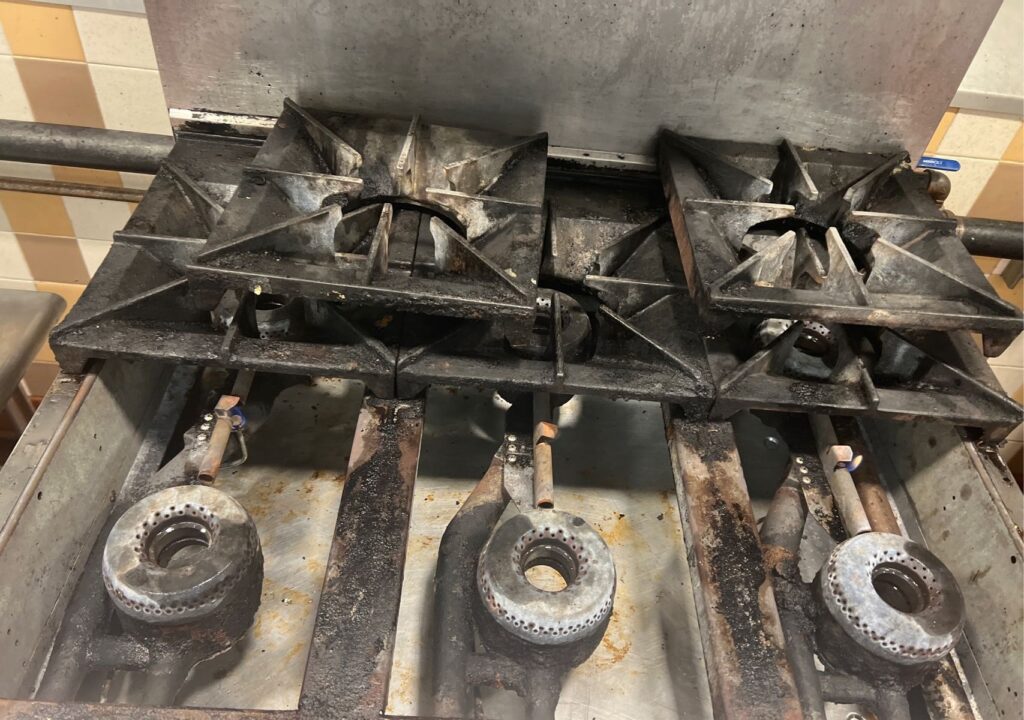
Premier Grease delivers expert commercial fire protection services throughout Atlanta, helping restaurants and food service establishments maintain safe operations through advanced fire suppression systems and preventive maintenance. As Atlanta's most trusted kitchen safety provider, our certified technicians install, inspect, and maintain fire suppression systems designed specifically for commercial cooking environments. With our specialized fire protection solutions, Atlanta business owners can protect their investment, safeguard employees and customers, and maintain compliance with local fire codes while operating with confidence.
|
Commercial Air Duct Cleaning Protects Your Business Investment
Professional fire protection goes far beyond meeting minimum requirements—it protects lives, property, and your business future. Commercial kitchen fires spread rapidly and can cause devastating damage within minutes, destroying equipment, inventory, and structures while potentially causing injuries or fatalities. With Premier Grease's advanced fire protection services, you'll prevent catastrophic losses, maintain uninterrupted operations, reduce insurance costs, and create safer environments that protect everyone who enters your establishment.
Our Commercial Fire Protection Services Include:
Kitchen Fire Suppression System Installation
Our expert installation team designs and installs advanced fire suppression systems specifically engineered for commercial cooking environments. We assess your kitchen layout, cooking equipment, and specific fire risks to develop customized suppression solutions that provide maximum protection. Using the latest wet chemical suppression technology, our systems quickly extinguish grease fires while preventing re-ignition, minimizing damage, and downtime during fire emergencies.
Fire Suppression System Inspection and Testing
We provide comprehensive inspection and testing services that verify your fire suppression system operates correctly when needed. Our certified technicians examine all system components, test activation mechanisms, check chemical levels, and verify proper coverage throughout your cooking area. These regular inspections identify potential issues before they compromise system effectiveness, maintaining reliable fire protection while satisfying insurance and regulatory requirements.
Preventive Maintenance and System Servicing
Our preventive maintenance programs keep fire suppression systems in peak operating condition through regular servicing and component replacement. We clean nozzles, replace worn parts, refill chemical tanks, and calibrate detection systems to maintain optimal performance. This proactive approach prevents system failures during emergencies while extending equipment lifespan and reducing long-term replacement costs.
Emergency Fire System Repair and Restoration
When fire suppression systems activate or malfunction, our emergency response team provides rapid repair and restoration services to minimize business disruption. We respond quickly to recharge systems, replace damaged components, and restore full protection as fast as possible. Our 24/7 emergency availability means your business can return to normal operations without extended closure periods that hurt revenue and customer relationships.
Fire Safety Training and Employee Education
We offer comprehensive fire safety training programs that prepare your staff to respond effectively during fire emergencies. Our training covers proper evacuation procedures, manual system activation, portable fire extinguisher use, and emergency communication protocols. Well-trained employees can prevent small incidents from becoming major disasters while protecting themselves and customers during emergency situations.
Fire Code Compliance Consulting and Documentation
Our fire protection experts help Atlanta businesses navigate complex fire code requirements and maintain proper documentation for regulatory compliance. We review current regulations, assess your facility's compliance status, and provide recommendations for meeting or exceeding safety standards. Our detailed documentation services satisfy inspection requirements while protecting your business from violations and liability issues.
Our expert installation team designs and installs advanced fire suppression systems specifically engineered for commercial cooking environments. We assess your kitchen layout, cooking equipment, and specific fire risks to develop customized suppression solutions that provide maximum protection. Using the latest wet chemical suppression technology, our systems quickly extinguish grease fires while preventing re-ignition, minimizing damage, and downtime during fire emergencies.
Fire Suppression System Inspection and Testing
We provide comprehensive inspection and testing services that verify your fire suppression system operates correctly when needed. Our certified technicians examine all system components, test activation mechanisms, check chemical levels, and verify proper coverage throughout your cooking area. These regular inspections identify potential issues before they compromise system effectiveness, maintaining reliable fire protection while satisfying insurance and regulatory requirements.
Preventive Maintenance and System Servicing
Our preventive maintenance programs keep fire suppression systems in peak operating condition through regular servicing and component replacement. We clean nozzles, replace worn parts, refill chemical tanks, and calibrate detection systems to maintain optimal performance. This proactive approach prevents system failures during emergencies while extending equipment lifespan and reducing long-term replacement costs.
Emergency Fire System Repair and Restoration
When fire suppression systems activate or malfunction, our emergency response team provides rapid repair and restoration services to minimize business disruption. We respond quickly to recharge systems, replace damaged components, and restore full protection as fast as possible. Our 24/7 emergency availability means your business can return to normal operations without extended closure periods that hurt revenue and customer relationships.
Fire Safety Training and Employee Education
We offer comprehensive fire safety training programs that prepare your staff to respond effectively during fire emergencies. Our training covers proper evacuation procedures, manual system activation, portable fire extinguisher use, and emergency communication protocols. Well-trained employees can prevent small incidents from becoming major disasters while protecting themselves and customers during emergency situations.
Fire Code Compliance Consulting and Documentation
Our fire protection experts help Atlanta businesses navigate complex fire code requirements and maintain proper documentation for regulatory compliance. We review current regulations, assess your facility's compliance status, and provide recommendations for meeting or exceeding safety standards. Our detailed documentation services satisfy inspection requirements while protecting your business from violations and liability issues.
Benefits of Professional Fire Protection Services
Prevents Catastrophic Property Damage and Loss
Professional fire protection systems can prevent small cooking fires from becoming devastating blazes that destroy your entire establishment. Commercial kitchen fires can cause millions in damage within minutes, destroying not only your building but also neighboring properties. Advanced suppression systems detect and extinguish fires before they spread, protecting your investment while preventing the total loss that forces many businesses to close permanently.
Protects Employee and Customer Lives
The most important benefit of professional fire protection is safeguarding human life. Restaurant fires can trap employees and customers in dangerous situations with limited escape routes and rapidly spreading flames. Properly designed suppression systems provide the time needed for safe evacuation while suppressing fires that could otherwise cause injuries or fatalities. This protection demonstrates your commitment to safety while reducing liability risks.
Maintains Business Continuity and Revenue Flow
Quick fire suppression minimizes damage and downtime, allowing your business to resume operations faster after incidents. Without proper fire protection, even small kitchen fires can force extended closures for cleanup, repairs, and regulatory approvals. Professional systems limit damage to specific areas, enabling partial or full operation to continue while repairs are completed, protecting your revenue stream and customer relationships.
Reduces Insurance Premiums and Liability Exposure
Insurance companies recognize the value of professional fire protection systems by offering significant premium discounts for properly protected establishments. These savings often offset system costs within a few years while providing ongoing financial benefits. Additionally, proper fire protection reduces liability exposure by demonstrating due diligence in protecting employees, customers, and neighboring properties from fire hazards.
Satisfies Regulatory Requirements and Building Codes
Atlanta fire codes require specific fire protection measures for commercial cooking operations, with violations potentially resulting in closure orders and substantial fines. Professional fire protection systems meet or exceed these requirements, keeping your business in compliance while avoiding costly violations. Regular maintenance and documentation demonstrate ongoing compliance that satisfies inspectors and regulatory authorities.
Professional fire protection systems can prevent small cooking fires from becoming devastating blazes that destroy your entire establishment. Commercial kitchen fires can cause millions in damage within minutes, destroying not only your building but also neighboring properties. Advanced suppression systems detect and extinguish fires before they spread, protecting your investment while preventing the total loss that forces many businesses to close permanently.
Protects Employee and Customer Lives
The most important benefit of professional fire protection is safeguarding human life. Restaurant fires can trap employees and customers in dangerous situations with limited escape routes and rapidly spreading flames. Properly designed suppression systems provide the time needed for safe evacuation while suppressing fires that could otherwise cause injuries or fatalities. This protection demonstrates your commitment to safety while reducing liability risks.
Maintains Business Continuity and Revenue Flow
Quick fire suppression minimizes damage and downtime, allowing your business to resume operations faster after incidents. Without proper fire protection, even small kitchen fires can force extended closures for cleanup, repairs, and regulatory approvals. Professional systems limit damage to specific areas, enabling partial or full operation to continue while repairs are completed, protecting your revenue stream and customer relationships.
Reduces Insurance Premiums and Liability Exposure
Insurance companies recognize the value of professional fire protection systems by offering significant premium discounts for properly protected establishments. These savings often offset system costs within a few years while providing ongoing financial benefits. Additionally, proper fire protection reduces liability exposure by demonstrating due diligence in protecting employees, customers, and neighboring properties from fire hazards.
Satisfies Regulatory Requirements and Building Codes
Atlanta fire codes require specific fire protection measures for commercial cooking operations, with violations potentially resulting in closure orders and substantial fines. Professional fire protection systems meet or exceed these requirements, keeping your business in compliance while avoiding costly violations. Regular maintenance and documentation demonstrate ongoing compliance that satisfies inspectors and regulatory authorities.
Why Choose Premier Grease for Fire Protection in Atlanta
Atlanta's Most Experienced Fire Protection Team
Our team consists of certified fire protection specialists with extensive experience serving Atlanta's diverse restaurant and food service industry. We understand local fire codes, building requirements, and the specific challenges facing different types of commercial kitchens throughout the metro area. This specialized knowledge allows us to design and maintain fire protection systems that provide maximum safety while meeting all regulatory requirements efficiently and cost-effectively.
Advanced Fire Suppression Technology and Equipment
We utilize the most advanced wet chemical fire suppression technology specifically designed for commercial cooking applications. Our systems use environmentally friendly suppressants that effectively extinguish grease fires while preventing re-ignition without causing additional damage to equipment or surfaces. This technology provides superior protection compared to older systems while reducing cleanup requirements and business disruption following activation.
Rapid Emergency Response Throughout Atlanta
When fire protection systems activate or require emergency service, our response teams are available 24/7 to restore your protection quickly. We maintain fully equipped service vehicles throughout the Atlanta metro area, enabling rapid response to any location within our service territory. Our emergency response capability minimizes the time your business operates without fire protection, reducing risk exposure and regulatory compliance issues.
Customized Fire Protection Solutions
We recognize that every commercial kitchen has unique fire protection requirements based on cooking methods, equipment configuration, and facility layout. Rather than offering standard solutions, we design customized fire protection systems that address your specific risks and operational needs. This tailored approach provides better protection while avoiding unnecessary costs for features that don't benefit your particular operation.
Complete Service Documentation and Compliance Support
We provide thorough documentation for all fire protection services, including installation records, inspection reports, maintenance logs, and compliance certificates. This documentation satisfies insurance requirements, regulatory inspections, and legal compliance while providing valuable records for liability protection. Our comprehensive documentation approach helps protect your business interests while demonstrating your commitment to safety and regulatory compliance.
Our team consists of certified fire protection specialists with extensive experience serving Atlanta's diverse restaurant and food service industry. We understand local fire codes, building requirements, and the specific challenges facing different types of commercial kitchens throughout the metro area. This specialized knowledge allows us to design and maintain fire protection systems that provide maximum safety while meeting all regulatory requirements efficiently and cost-effectively.
Advanced Fire Suppression Technology and Equipment
We utilize the most advanced wet chemical fire suppression technology specifically designed for commercial cooking applications. Our systems use environmentally friendly suppressants that effectively extinguish grease fires while preventing re-ignition without causing additional damage to equipment or surfaces. This technology provides superior protection compared to older systems while reducing cleanup requirements and business disruption following activation.
Rapid Emergency Response Throughout Atlanta
When fire protection systems activate or require emergency service, our response teams are available 24/7 to restore your protection quickly. We maintain fully equipped service vehicles throughout the Atlanta metro area, enabling rapid response to any location within our service territory. Our emergency response capability minimizes the time your business operates without fire protection, reducing risk exposure and regulatory compliance issues.
Customized Fire Protection Solutions
We recognize that every commercial kitchen has unique fire protection requirements based on cooking methods, equipment configuration, and facility layout. Rather than offering standard solutions, we design customized fire protection systems that address your specific risks and operational needs. This tailored approach provides better protection while avoiding unnecessary costs for features that don't benefit your particular operation.
Complete Service Documentation and Compliance Support
We provide thorough documentation for all fire protection services, including installation records, inspection reports, maintenance logs, and compliance certificates. This documentation satisfies insurance requirements, regulatory inspections, and legal compliance while providing valuable records for liability protection. Our comprehensive documentation approach helps protect your business interests while demonstrating your commitment to safety and regulatory compliance.
Our Commercial Fire Protection Service Process
Facility Assessment and Risk Evaluation
Our process begins with a detailed assessment of your commercial kitchen to identify fire risks, evaluate current protection levels, and determine appropriate fire suppression requirements. We examine cooking equipment, ventilation systems, fuel sources, and building characteristics that affect fire protection needs. This thorough evaluation allows us to design systems that provide adequate protection while meeting budget and operational requirements.
System Design and Engineering
Based on our facility assessment, we develop customized fire protection system designs that address your specific needs and comply with all applicable codes. Our designs consider equipment placement, coverage requirements, activation methods, and integration with existing building systems. We provide detailed plans and specifications that clearly outline system components, installation requirements, and expected performance characteristics.
Professional Installation and Commissioning
Our certified installation teams implement fire protection systems according to manufacturer specifications and industry best practices. We carefully position detection devices, suppression nozzles, and control panels for optimal coverage and accessibility. Following installation, we conduct comprehensive testing to verify proper operation and provide training on system operation and maintenance requirements.
System Testing and Performance Verification
Every fire protection system undergoes rigorous testing to confirm proper operation before being placed in service. We test detection sensitivity, suppression coverage, activation timing, and integration with building alarm systems. This testing ensures your fire protection system will operate correctly during emergencies while meeting all performance standards required by codes and insurance companies.
Ongoing Monitoring and Maintenance Support
Following installation, we provide ongoing monitoring and maintenance services to keep your fire protection system in optimal operating condition. Our maintenance programs include regular inspections, component cleaning, chemical refills, and performance testing. We also provide 24/7 monitoring services that alert our response teams immediately when systems activate or develop malfunctions requiring attention.
Our process begins with a detailed assessment of your commercial kitchen to identify fire risks, evaluate current protection levels, and determine appropriate fire suppression requirements. We examine cooking equipment, ventilation systems, fuel sources, and building characteristics that affect fire protection needs. This thorough evaluation allows us to design systems that provide adequate protection while meeting budget and operational requirements.
System Design and Engineering
Based on our facility assessment, we develop customized fire protection system designs that address your specific needs and comply with all applicable codes. Our designs consider equipment placement, coverage requirements, activation methods, and integration with existing building systems. We provide detailed plans and specifications that clearly outline system components, installation requirements, and expected performance characteristics.
Professional Installation and Commissioning
Our certified installation teams implement fire protection systems according to manufacturer specifications and industry best practices. We carefully position detection devices, suppression nozzles, and control panels for optimal coverage and accessibility. Following installation, we conduct comprehensive testing to verify proper operation and provide training on system operation and maintenance requirements.
System Testing and Performance Verification
Every fire protection system undergoes rigorous testing to confirm proper operation before being placed in service. We test detection sensitivity, suppression coverage, activation timing, and integration with building alarm systems. This testing ensures your fire protection system will operate correctly during emergencies while meeting all performance standards required by codes and insurance companies.
Ongoing Monitoring and Maintenance Support
Following installation, we provide ongoing monitoring and maintenance services to keep your fire protection system in optimal operating condition. Our maintenance programs include regular inspections, component cleaning, chemical refills, and performance testing. We also provide 24/7 monitoring services that alert our response teams immediately when systems activate or develop malfunctions requiring attention.
Fire Protection System Types for Commercial Kitchens
Understanding different fire protection options helps business owners select systems that best meet their specific needs and operational requirements:
Wet Chemical Suppression Systems
Wet chemical systems represent the most effective fire protection technology for commercial cooking applications. These systems use specially formulated chemicals that create a foam blanket over burning oil, cooling the fuel below ignition temperature while preventing oxygen from reaching the fire. Wet chemical systems effectively suppress fires while preventing re-ignition, making them ideal for high-temperature cooking operations.
Pre-Engineered Package Systems
Pre-engineered systems offer cost-effective fire protection for smaller commercial kitchens with standard equipment configurations. These systems come complete with all necessary components and are designed for specific coverage areas and cooking equipment types. Pre-engineered systems provide reliable protection while reducing installation costs and complexity for smaller establishments.
Engineered Custom Systems
Large commercial kitchens with complex equipment arrangements require custom-engineered fire protection systems designed specifically for their unique configurations. These systems provide precise coverage for irregular layouts while integrating with existing building systems. Custom engineering ensures optimal protection while accommodating special requirements and operational constraints.
Dual Agent Systems
Some high-risk cooking operations benefit from dual agent systems that combine wet chemical suppression with dry chemical backup protection. These systems provide redundant protection for operations with extremely high fire risks or special equipment requirements. Dual agent systems offer maximum protection while providing backup capability if primary systems experience issues.
Portable Fire Extinguisher Integration
Professional fire protection includes strategically placed portable fire extinguishers that complement fixed suppression systems. We help select appropriate extinguisher types and locations that provide manual firefighting capability while meeting code requirements. Proper extinguisher placement gives staff additional tools for addressing small fires before they trigger automatic systems.
Wet Chemical Suppression Systems
Wet chemical systems represent the most effective fire protection technology for commercial cooking applications. These systems use specially formulated chemicals that create a foam blanket over burning oil, cooling the fuel below ignition temperature while preventing oxygen from reaching the fire. Wet chemical systems effectively suppress fires while preventing re-ignition, making them ideal for high-temperature cooking operations.
Pre-Engineered Package Systems
Pre-engineered systems offer cost-effective fire protection for smaller commercial kitchens with standard equipment configurations. These systems come complete with all necessary components and are designed for specific coverage areas and cooking equipment types. Pre-engineered systems provide reliable protection while reducing installation costs and complexity for smaller establishments.
Engineered Custom Systems
Large commercial kitchens with complex equipment arrangements require custom-engineered fire protection systems designed specifically for their unique configurations. These systems provide precise coverage for irregular layouts while integrating with existing building systems. Custom engineering ensures optimal protection while accommodating special requirements and operational constraints.
Dual Agent Systems
Some high-risk cooking operations benefit from dual agent systems that combine wet chemical suppression with dry chemical backup protection. These systems provide redundant protection for operations with extremely high fire risks or special equipment requirements. Dual agent systems offer maximum protection while providing backup capability if primary systems experience issues.
Portable Fire Extinguisher Integration
Professional fire protection includes strategically placed portable fire extinguishers that complement fixed suppression systems. We help select appropriate extinguisher types and locations that provide manual firefighting capability while meeting code requirements. Proper extinguisher placement gives staff additional tools for addressing small fires before they trigger automatic systems.
When to Schedule Fire Protection Services
Understanding appropriate timing for fire protection services helps maintain system reliability while meeting regulatory requirements:
Monthly Visual Inspections
Business owners should conduct basic visual inspections of fire protection systems monthly to identify obvious issues such as damaged components, blocked nozzles, or missing covers. While these inspections don't replace professional service, they help identify problems that require immediate attention. Monthly inspections also demonstrate ongoing attention to fire safety that regulatory authorities and insurance companies value.
Semi-Annual Professional Inspections
Most fire protection systems require professional inspection every six months to verify proper operation and component condition. These inspections include functional testing, chemical level verification, and detailed component examination. Semi-annual inspections identify developing issues before they compromise system effectiveness while satisfying most regulatory and insurance requirements.
Annual Comprehensive Maintenance
Annual comprehensive maintenance includes complete system disassembly, componentcleaning, and replacement of wear items such as gaskets and filters. This thorough maintenance prevents system failures while extending equipment life. Annual maintenance also provides an opportunity for system updates and improvements that enhance protection effectiveness.
After System Activation
Any fire protection system activation requires immediate professional service to restore full protection capability. Even if no fire occurred, activation depletes chemical supplies and may damage components that require replacement. Prompt restoration following activation protects your business from operating without fire protection while meeting insurance and regulatory requirements.
Following Kitchen Modifications
Any changes to cooking equipment, ventilation systems, or kitchen layout should trigger a fire protection system evaluation. These modifications can affect system coverage and effectiveness, potentially creating unprotected areas or compromising suppression capability. Professional evaluation following modifications ensures continued adequate protection under new operating conditions.
Monthly Visual Inspections
Business owners should conduct basic visual inspections of fire protection systems monthly to identify obvious issues such as damaged components, blocked nozzles, or missing covers. While these inspections don't replace professional service, they help identify problems that require immediate attention. Monthly inspections also demonstrate ongoing attention to fire safety that regulatory authorities and insurance companies value.
Semi-Annual Professional Inspections
Most fire protection systems require professional inspection every six months to verify proper operation and component condition. These inspections include functional testing, chemical level verification, and detailed component examination. Semi-annual inspections identify developing issues before they compromise system effectiveness while satisfying most regulatory and insurance requirements.
Annual Comprehensive Maintenance
Annual comprehensive maintenance includes complete system disassembly, componentcleaning, and replacement of wear items such as gaskets and filters. This thorough maintenance prevents system failures while extending equipment life. Annual maintenance also provides an opportunity for system updates and improvements that enhance protection effectiveness.
After System Activation
Any fire protection system activation requires immediate professional service to restore full protection capability. Even if no fire occurred, activation depletes chemical supplies and may damage components that require replacement. Prompt restoration following activation protects your business from operating without fire protection while meeting insurance and regulatory requirements.
Following Kitchen Modifications
Any changes to cooking equipment, ventilation systems, or kitchen layout should trigger a fire protection system evaluation. These modifications can affect system coverage and effectiveness, potentially creating unprotected areas or compromising suppression capability. Professional evaluation following modifications ensures continued adequate protection under new operating conditions.
Understanding Commercial HVAC Air Quality Standards
Navigating Atlanta's fire protection requirements helps business owners maintain compliance while avoiding violations:
Atlanta Fire Department Regulations
The Atlanta Fire Department enforces fire protection requirements based on NFPA 17A standards for wet chemical fire suppression systems. These regulations specify system design criteria, installation requirements, inspection frequencies, and maintenance standards. Understanding these requirements helps business owners select appropriate systems while maintaining ongoing compliance.
Commercial Kitchen Fire Protection Mandates
Atlanta fire codes require automatic fire suppression systems for all commercial cooking operations that produce grease-laden vapors. These requirements apply to restaurants, hotels, institutional kitchens, and food service establishments regardless of size. The codes specify minimum protection levels based on cooking equipment types and operational characteristics.
Inspection and Documentation Requirements
Fire protection systems must undergo regular professional inspections with results documented for regulatory review. Atlanta fire inspectors verify compliance during routine inspections and may request maintenance records, inspection reports, and system certifications. Proper documentation demonstrates compliance while protecting business owners from violations and liability issues.
Building Permit and Installation Standards
New fire protection system installations require building permits and must be performed by licensed contractors following approved plans. The Atlanta Building Department reviews system designs for code compliance before issuing permits. Professional installation and inspection ensure systems meet all regulatory requirements while providing maximum protection effectiveness.
Integration with Building Fire Alarm Systems
Atlanta fire codes often require fire suppression systems to integrate with building fire alarm systems to provide automatic notification to fire departments. This integration ensures rapid emergency response while meeting notification requirements for occupied buildings. Professional installation includes proper integration with existing building systems and emergency communication protocols.
Atlanta Fire Department Regulations
The Atlanta Fire Department enforces fire protection requirements based on NFPA 17A standards for wet chemical fire suppression systems. These regulations specify system design criteria, installation requirements, inspection frequencies, and maintenance standards. Understanding these requirements helps business owners select appropriate systems while maintaining ongoing compliance.
Commercial Kitchen Fire Protection Mandates
Atlanta fire codes require automatic fire suppression systems for all commercial cooking operations that produce grease-laden vapors. These requirements apply to restaurants, hotels, institutional kitchens, and food service establishments regardless of size. The codes specify minimum protection levels based on cooking equipment types and operational characteristics.
Inspection and Documentation Requirements
Fire protection systems must undergo regular professional inspections with results documented for regulatory review. Atlanta fire inspectors verify compliance during routine inspections and may request maintenance records, inspection reports, and system certifications. Proper documentation demonstrates compliance while protecting business owners from violations and liability issues.
Building Permit and Installation Standards
New fire protection system installations require building permits and must be performed by licensed contractors following approved plans. The Atlanta Building Department reviews system designs for code compliance before issuing permits. Professional installation and inspection ensure systems meet all regulatory requirements while providing maximum protection effectiveness.
Integration with Building Fire Alarm Systems
Atlanta fire codes often require fire suppression systems to integrate with building fire alarm systems to provide automatic notification to fire departments. This integration ensures rapid emergency response while meeting notification requirements for occupied buildings. Professional installation includes proper integration with existing building systems and emergency communication protocols.
Fire Prevention Best Practices for Commercial Kitchens
Implementing comprehensive fire prevention practices reduces fire risks while supporting fire protection system effectiveness:
Proper Equipment Maintenance and Cleaning
Regular cleaning and maintenance of cooking equipment prevent grease accumulation that increases fire risks. Clean equipment operates more safely while reducing suppression system activation frequency. Professional kitchen maintenance services help maintain equipment in a safe operating condition while extending equipment life and reducing fire hazards.
Staff Training and Fire Safety Awareness
Well-trained staff can prevent many kitchen fires through proper equipment operation and immediate response to developing problems. Fire safety training should cover equipment operation, emergency procedures, manual suppression system activation, and evacuation protocols. Regular training updates ensure staff remain prepared to respond effectively during emergency situations.
Cooking Oil Management and Disposal
Proper cooking oil management prevents overheating and ignition that can cause devastating fires. Staff should monitor oil temperatures, replace degraded oil promptly, and follow proper heating procedures. Professional cooking oil collection services help maintain safe oil disposal while reducing fire risks associated with improper storage and handling.
Ventilation System Maintenance
Clean exhaust systems remove heat and grease vapors that contribute to fire risks while supporting fire suppression system effectiveness. Regular hood and duct cleaning prevents grease accumulation that can fuel fires and interfere with the suppression system's operation. Professional exhaust cleaning services maintain ventilation effectiveness while reducing fire hazards.
Emergency Response Planning
Comprehensive emergency response plans help staff respond effectively during fire situations while minimizing confusion and panic. Emergency plans should include evacuation procedures, emergency contact information, system activation instructions, and post-incident protocols. Regular emergency drills ensure staff familiarity with procedures while identifying areas for improvement.
Proper Equipment Maintenance and Cleaning
Regular cleaning and maintenance of cooking equipment prevent grease accumulation that increases fire risks. Clean equipment operates more safely while reducing suppression system activation frequency. Professional kitchen maintenance services help maintain equipment in a safe operating condition while extending equipment life and reducing fire hazards.
Staff Training and Fire Safety Awareness
Well-trained staff can prevent many kitchen fires through proper equipment operation and immediate response to developing problems. Fire safety training should cover equipment operation, emergency procedures, manual suppression system activation, and evacuation protocols. Regular training updates ensure staff remain prepared to respond effectively during emergency situations.
Cooking Oil Management and Disposal
Proper cooking oil management prevents overheating and ignition that can cause devastating fires. Staff should monitor oil temperatures, replace degraded oil promptly, and follow proper heating procedures. Professional cooking oil collection services help maintain safe oil disposal while reducing fire risks associated with improper storage and handling.
Ventilation System Maintenance
Clean exhaust systems remove heat and grease vapors that contribute to fire risks while supporting fire suppression system effectiveness. Regular hood and duct cleaning prevents grease accumulation that can fuel fires and interfere with the suppression system's operation. Professional exhaust cleaning services maintain ventilation effectiveness while reducing fire hazards.
Emergency Response Planning
Comprehensive emergency response plans help staff respond effectively during fire situations while minimizing confusion and panic. Emergency plans should include evacuation procedures, emergency contact information, system activation instructions, and post-incident protocols. Regular emergency drills ensure staff familiarity with procedures while identifying areas for improvement.
Fire Protection System Maintenance and Lifecycle Management
Understanding fire protection system maintenance requirements helps business owners budget appropriately while maintaining reliable protection.
Routine Maintenance Components
Fire protection systems require regular maintenance, including nozzle cleaning, detector testing, chemical level monitoring, and control panel inspection. These routine maintenance activities prevent small issues from becoming major problems while maintaining system reliability. Professional maintenance programs include all necessary routine services while providing detailed documentation of system condition.
Component Replacement Schedules
Fire protection system components have specific service lives that require planned replacement to maintain reliability. Chemical supplies typically require annual replacement, while mechanical components may last several years with proper maintenance. Understanding replacement schedules helps budget for ongoing system costs while preventing unexpected failures.
System Upgrade Opportunities
Advances in fire protection technology provide opportunities to improve system effectiveness while reducing operating costs. Newer systems often provide better coverage, faster activation, and reduced cleanup requirements compared to older technology. Professional evaluation can identify upgrade opportunities that enhance protection while providing operational benefits.
Warranty and Service Agreement Benefits
Comprehensive service agreements provide predictable costs while ensuring proper maintenance and rapid emergency response. These agreements typically include routine maintenance, priority emergency service, and parts replacement at predetermined costs. Service agreements help budget maintenance expenses while ensuring professional care that maintains system reliability.
End-of-Life Planning and Replacement
Fire protection systems eventually require complete replacement due to age, technology obsolescence, or facility changes. Planning for system replacement helps budget major expenses while ensuring continuity of protection during transition periods. Professional planning includes timing considerations that minimize business disruption while maintaining safety standards.
Routine Maintenance Components
Fire protection systems require regular maintenance, including nozzle cleaning, detector testing, chemical level monitoring, and control panel inspection. These routine maintenance activities prevent small issues from becoming major problems while maintaining system reliability. Professional maintenance programs include all necessary routine services while providing detailed documentation of system condition.
Component Replacement Schedules
Fire protection system components have specific service lives that require planned replacement to maintain reliability. Chemical supplies typically require annual replacement, while mechanical components may last several years with proper maintenance. Understanding replacement schedules helps budget for ongoing system costs while preventing unexpected failures.
System Upgrade Opportunities
Advances in fire protection technology provide opportunities to improve system effectiveness while reducing operating costs. Newer systems often provide better coverage, faster activation, and reduced cleanup requirements compared to older technology. Professional evaluation can identify upgrade opportunities that enhance protection while providing operational benefits.
Warranty and Service Agreement Benefits
Comprehensive service agreements provide predictable costs while ensuring proper maintenance and rapid emergency response. These agreements typically include routine maintenance, priority emergency service, and parts replacement at predetermined costs. Service agreements help budget maintenance expenses while ensuring professional care that maintains system reliability.
End-of-Life Planning and Replacement
Fire protection systems eventually require complete replacement due to age, technology obsolescence, or facility changes. Planning for system replacement helps budget major expenses while ensuring continuity of protection during transition periods. Professional planning includes timing considerations that minimize business disruption while maintaining safety standards.
Trust Premier Grease for Complete Fire Protection in Atlanta
At Premier Grease, we understand how important reliable fire protection is for Atlanta's food service industry. Our experienced team provides comprehensive fire protection services that safeguard lives, protect property, and maintain business continuity through advanced suppression systems and preventive maintenance. Whether you need a new system installation or ongoing maintenance for existing equipment, we deliver customized solutions that meet your specific needs while exceeding safety standards. Let us protect your business investment and ensure the safety of everyone who depends on your establishment.
Contact Premier Grease Today
Don't risk devastating fire damage, regulatory violations, or liability exposure due to inadequate fire protection. Contact Premier Grease today to schedule professional fire protection services designed for your Atlanta business requirements. Our Georgia-based team provides reliable protection that keeps your establishment safe and compliant. Call us now or complete our online form to get started. Let Premier Grease provide the fire protection expertise that gives you peace of mind while you focus on serving your customers!
Frequently Asked Questions
What type of fire suppression system is best for my Atlanta restaurant?
Most commercial kitchens benefit from wet chemical suppression systems designed specifically for grease fires. These systems effectively extinguish cooking fires while preventing re-ignition. Our experts evaluate your specific equipment and cooking methods to recommend the most appropriate system type for your operation.
How often do fire protection systems require professional inspection?
Atlanta fire codes typically require professional inspection every six months, with annual comprehensive maintenance. High-volume operations may need more frequent service depending on cooking methods and equipment usage. We provide customized maintenance schedules that meet regulatory requirements while maintaining optimal protection.
What happens if my fire suppression system activates?
If your system activates, immediately evacuate the area and call 911, then contact Premier Grease for emergency restoration service. We respond quickly to recharge systems, replace any damaged components, and restore full protection so you can resume operations safely.
Are there different fire protection requirements for different types of cooking?
Yes, fire protection requirements vary based on cooking methods, equipment types, and operational characteristics. High-temperature cooking, solid fuel operations, and high-volume establishments typically require more robust protection systems and more frequent maintenance.
How much does a commercial fire protection system installation cost?
Installation costs vary significantly based on kitchen size, equipment configuration, and system complexity. We provide detailed estimates following a facility assessment that outline all costs without hidden fees. Many businesses find that insurance discounts help offset system costs within a few years.
Can I perform fire protection system maintenance myself?
While business owners can conduct basic visual inspections, professional maintenance is required for system testing, chemical replacement, and component service. Attempting self-maintenance can void warranties and create liability issues if systems fail during emergencies.
How long does fire protection system installation take?
Installation duration depends on system complexity and kitchen configuration. Most standard installations require 1-2 days, while complex custom systems may take longer. We schedule installations to minimize disruption to your business operations.
Do fire protection systems work automatically or require manual activation?
Modern fire protection systems include both automatic activation based on heat detection and manual activation options for immediate response. Automatic systems provide protection even when staff are not present, whilemanual activation allows immediate response to developing fire situations.
What documentation do I need to maintain for fire protection compliance?
You must maintain records of all inspections, maintenance services, system testing, and any repairs or modifications. We provide comprehensive documentation that satisfies regulatory requirements while protecting your business from compliance issues.
How do I know if my existing fire protection system needs upgrading?
Systems older than 10-15 years may benefit from technology upgrades that provide better protection and reduced maintenance costs. We evaluate existing systems and recommend upgrades when they would improve safety or provide operational benefits for your specific application.
Most commercial kitchens benefit from wet chemical suppression systems designed specifically for grease fires. These systems effectively extinguish cooking fires while preventing re-ignition. Our experts evaluate your specific equipment and cooking methods to recommend the most appropriate system type for your operation.
How often do fire protection systems require professional inspection?
Atlanta fire codes typically require professional inspection every six months, with annual comprehensive maintenance. High-volume operations may need more frequent service depending on cooking methods and equipment usage. We provide customized maintenance schedules that meet regulatory requirements while maintaining optimal protection.
What happens if my fire suppression system activates?
If your system activates, immediately evacuate the area and call 911, then contact Premier Grease for emergency restoration service. We respond quickly to recharge systems, replace any damaged components, and restore full protection so you can resume operations safely.
Are there different fire protection requirements for different types of cooking?
Yes, fire protection requirements vary based on cooking methods, equipment types, and operational characteristics. High-temperature cooking, solid fuel operations, and high-volume establishments typically require more robust protection systems and more frequent maintenance.
How much does a commercial fire protection system installation cost?
Installation costs vary significantly based on kitchen size, equipment configuration, and system complexity. We provide detailed estimates following a facility assessment that outline all costs without hidden fees. Many businesses find that insurance discounts help offset system costs within a few years.
Can I perform fire protection system maintenance myself?
While business owners can conduct basic visual inspections, professional maintenance is required for system testing, chemical replacement, and component service. Attempting self-maintenance can void warranties and create liability issues if systems fail during emergencies.
How long does fire protection system installation take?
Installation duration depends on system complexity and kitchen configuration. Most standard installations require 1-2 days, while complex custom systems may take longer. We schedule installations to minimize disruption to your business operations.
Do fire protection systems work automatically or require manual activation?
Modern fire protection systems include both automatic activation based on heat detection and manual activation options for immediate response. Automatic systems provide protection even when staff are not present, whilemanual activation allows immediate response to developing fire situations.
What documentation do I need to maintain for fire protection compliance?
You must maintain records of all inspections, maintenance services, system testing, and any repairs or modifications. We provide comprehensive documentation that satisfies regulatory requirements while protecting your business from compliance issues.
How do I know if my existing fire protection system needs upgrading?
Systems older than 10-15 years may benefit from technology upgrades that provide better protection and reduced maintenance costs. We evaluate existing systems and recommend upgrades when they would improve safety or provide operational benefits for your specific application.
|
800.880.1142
[email protected] 450 S. Cemetery St. #204 | Norcross GA 30071 | 404-423-4393 5578-B Export Blvd | Savannah GA 31408 |