Premier Grease - Commercial Hood and Grease Trap Cleaning Services in Atlanta, Savannah and Jacksonville
  • Home
  • Why?
    • Digital Pics
  • Services
    • Hood Cleaning Services >
      • Hood Cleaning Atlanta
      • Hood Cleaning Savannah
    • Oil Recycling >
      • Recycled Oil Pickup Request
    • Grease Trap Cleaning
    • Filter Exchange Program
    • Deep Cleaning
    • Roof Cleaning
    • Vent Cleaning
    • Car Wash Pit Cleaning
    • Air Duct Cleaning Service >
      • Commercial Kitchen Exhaust Cleaning
      • Restaurant Hood Cleaning
      • Exhaust Fan Cleaning & Maintenance
      • Grease Duct Cleaning
      • Kitchen Ventilation Cleaning
      • NFPA 96 Compliant Hood Cleaning
      • Rooftop Grease Containment Cleaning
      • Exhaust System Fire Hazard Removal
      • Hood Filter Cleaning & Replacement
      • Access Panel & Hinge Kit Installation
      • Exhaust Fan Belt Inspection & Replacement
    • Fire Protection Service
    • Pressure Washing Service
  • Products
    • Grease Lock
    • Shortening Shuttle
    • Roof Protection System
    • Range Hood Accessories
    • Exhaust Fan Accessories
  • About
  • Blog
  • Contact
    • Pay Invoice
    • Recurring Payment Authorization
Bundle grease trap cleaning services for your commercial kitchen today!

Exhaust System Fire Hazard Removal Services - Premier Grease
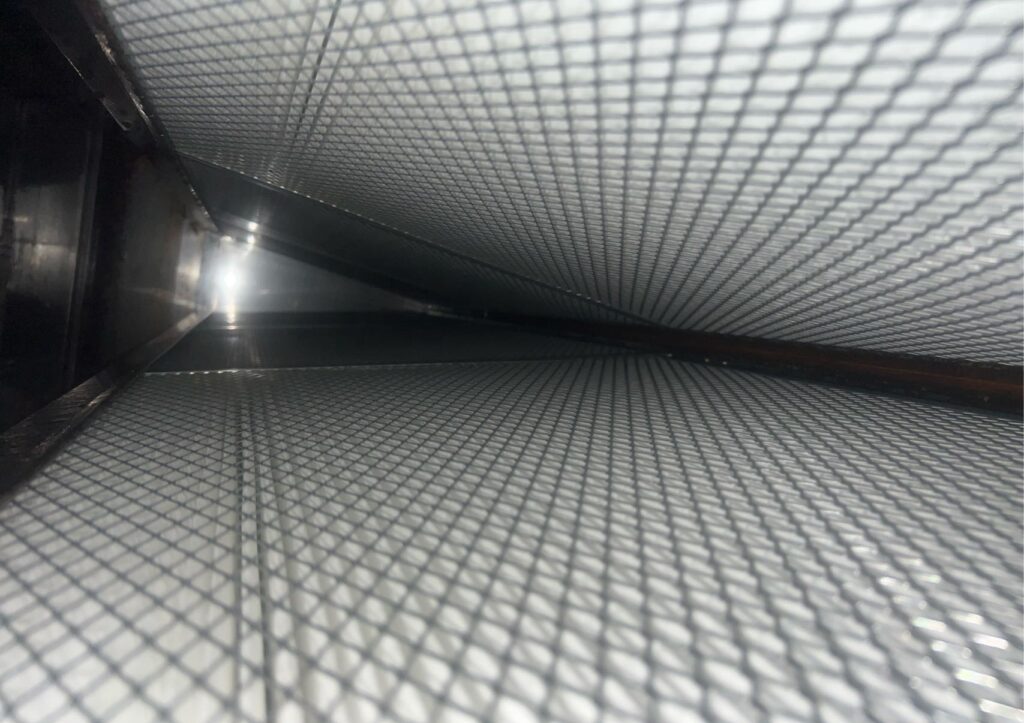
Atlanta's Leading Commercial Kitchen Fire Safety Specialists

Premier Grease provides expert exhaust system fire hazard removal services throughout Atlanta, GA, helping restaurants and commercial kitchens eliminate dangerous grease buildup that poses serious fire risks. As Atlanta's most trusted commercial kitchen safety specialists, our certified technicians use advanced equipment and proven techniques to thoroughly remove fire hazards from exhaust systems, ductwork, and ventilation components. With our comprehensive fire safety solutions, restaurant owners can protect their businesses, employees, and customers while maintaining full compliance with Atlanta fire codes and NFPA standards
exhaust-cleaning-atlanta

Exhaust System Fire Hazards Are a Critical Business Risk

Commercial kitchen fires represent one of the most devastating risks facing Atlanta restaurants, with grease-laden exhaust systems being the leading cause of these catastrophic events. The accumulation of grease, oils, and combustible residues in exhaust systems creates a highly dangerous environment where a single spark can ignite rapidly spreading fires that destroy property, endanger lives, and permanently close businesses. Premier Grease's professional fire hazard removal services eliminate these risks by thoroughly cleaning exhaust systems, removing combustible buildup, and ensuring your kitchen meets all Atlanta fire safety requirements for continued safe operation.
​

Our Exhaust System Fire Hazard Removal Services Include:

Complete Grease and Combustible Buildup Removal

Our comprehensive fire hazard removal service eliminates all grease, oil, and combustible residues from your entire exhaust system, including ductwork, fans, filters, and roof components. Using specialized high-temperature cleaning agents and powerful degreasing equipment, we meticulously remove even the most stubborn buildup from every surface and crevice where fire hazards accumulate. This thorough removal process eliminates the fuel source for potential fires, dramatically reducing your kitchen's fire risk while restoring proper ventilation system function.


Exhaust Ductwork Deep Cleaning and Inspection

Our specialized ductwork cleaning service addresses the hidden areas where the most dangerous fire hazards typically accumulate. Using advanced access techniques and industrial-grade cleaning equipment, we thoroughly clean the interior surfaces of exhaust ducts, removing years of accumulated grease that standard cleaning cannot reach. During this process, we also inspect ductwork integrity, identifying any damage, gaps, or deterioration that could contribute to fire spread or ventilation inefficiency, providing you with a comprehensive assessment of your system's safety status.


Fan and Motor Housing Fire Risk Elimination

Exhaust fans and motor housings present unique fire hazards due to their electrical components and tendency to accumulate grease in hard-to-reach areas. Our technicians completely disassemble accessible fan components, removing all grease buildup from fan blades, housings, and motor areas while ensuring electrical safety throughout the process. This detailed cleaning eliminates ignition sources while improving fan efficiency and extending equipment life, providing both safety and operational benefits for your kitchen ventilation system.


Roof-Mounted Equipment and Termination Cleaning

The roof-mounted components of your exhaust system, including termination points and grease collection areas, require specialized attention to prevent fire hazards from spreading beyond your building. Our team thoroughly cleans all roof-mounted exhaust equipment, removing grease accumulation that could ignite and spread to roofing materials or adjacent structures. This service includes cleaning of grease cups, termination hoods, and surrounding roof areas, ensuring that your entire exhaust system presents minimal fire risk from bottom to top.


Fire Suppression System Integration and Maintenance

Proper coordination between your exhaust system cleaning and fire suppression system is essential for optimal fire protection. Our technicians work carefully around fire suppression components, ensuring that cleaning processes don't interfere with suppression system function while identifying any areas where grease buildup might impede suppression effectiveness. We coordinate with fire suppression service providers when necessary to ensure your complete fire protection system operates as designed following our hazard removal service.
​

Benefits of Professional Exhaust System Fire Hazard Removal

Dramatically Reduces Fire Risk and Insurance Liability

Professional fire hazard removal significantly reduces the likelihood of catastrophic kitchen fires by eliminating the combustible materials that fuel these dangerous events. This risk reduction directly translates to lower insurance premiums, reduced liability exposure, and protection from the devastating financial losses associated with kitchen fires. Insurance companies increasingly recognize the value of documented fire hazard removal services, often providing premium discounts for businesses that maintain regular professional cleaning schedules and can demonstrate proactive fire risk management.


Ensures Compliance with Atlanta Fire Codes and NFPA Standards

Atlanta fire departments and insurance inspectors require commercial kitchens to maintain exhaust systems free of dangerous grease accumulation as mandated by NFPA 96 standards and local fire codes. Professional fire hazard removal ensures your kitchen meets these strict requirements, preventing violations that can result in forced closure, expensive fines, or insurance coverage cancellation. Our service provides the documentation and compliance verification necessary to satisfy inspectors and maintain your operating permits without interruption.


Protects Lives and Property from Devastating Fire Damage

Kitchen fires spread rapidly through grease-laden exhaust systems, often extending beyond the kitchen area to cause extensive property damage and threaten lives. Professional hazard removal eliminates this fire pathway, containing potential fires to smaller areas and providing more time for evacuation and suppression system activation. This protection extends beyond your immediate business to include neighboring properties and the broader community, demonstrating your commitment to responsible business operation and public safety.


Improves Ventilation Efficiency and Air Quality

Accumulated grease and debris in exhaust systems restricts airflow, forcing ventilation equipment to work harder while providing less effective smoke and heat removal. Professional cleaning restores proper airflow, improving kitchen air quality, reducing employee heat stress, and creating a more comfortable working environment. This improved efficiency also reduces energy consumption, as clean systems move air more effectively with less power consumption, providing ongoing operational savings alongside safety benefits.


Extends Equipment Life and Reduces Maintenance Costs

Grease accumulation causes premature wear on exhaust fans, motors, and ductwork components, leading to expensive repairs and early equipment replacement. Regular fire hazard removal eliminates corrosive buildup that damages equipment surfaces and mechanical components, significantly extending the operational life of your ventilation system. This preventive approach reduces long-term maintenance costs while ensuring reliable system operation during critical periods when kitchen ventilation is essential for safe food preparation.
​

Why Choose Premier Grease for Exhaust System Fire Hazard Removal in Atlanta

Certified Technicians with Specialized Fire Safety Training

Our Atlanta team consists of highly trained professionals with specialized certifications in commercial kitchen fire safety and exhaust system cleaning. Each technician undergoes extensive training in fire hazard identification, proper cleaning techniques, and safety protocols specific to commercial kitchen environments. This specialized expertise ensures that our fire hazard removal service addresses all potential ignition sources while maintaining the highest safety standards throughout the cleaning process, providing you with confidence in both our methods and results.


Advanced Equipment and Proven Fire Safety Techniques

Premier Grease invests in the most advanced cleaning equipment and proven techniques specifically designed for fire hazard removal from commercial exhaust systems. Our specialized tools reach areas that standard cleaning equipment cannot access, ensuring complete removal of fire hazards throughout your entire ventilation system. This advanced equipment, combined with our proven cleaning protocols, delivers superior results that effectively eliminate fire risks while extending the intervals between required cleanings through more thorough initial hazard removal.


Comprehensive Atlanta Area Coverage and Rapid Response

As Atlanta's premier exhaust system fire safety specialists, we provide comprehensive coverage throughout the metropolitan area with rapid response capabilities for both scheduled maintenance and emergency situations. Our local presence ensures prompt service when you need it most, whether for routine fire hazard removal or urgent situations where fire safety has been compromised. This reliable availability protects your business from the risks associated with delayed maintenance while providing the consistent service necessary for ongoing fire safety compliance.


Complete Documentation for Insurance and Compliance

Every fire hazard removal service includes comprehensive documentation that meets Atlanta fire department requirements and insurance company standards for fire safety compliance. Our detailed reports document the extent of hazard removal, system condition, and compliance status, providing valuable protection during inspections and insurance reviews. This thorough documentation demonstrates your commitment to fire safety while providing the evidence necessary to maintain insurance coverage and operating permits without complications.


Transparent Pricing with No Hidden Fees

We believe in complete transparency regarding our fire hazard removal services and associated costs, providing detailed proposals that clearly outline all aspects of our safety programs. Our straightforward pricing includes all necessary cleaning, inspection, and documentation without hidden fees or unexpected charges. This honest approach allows you to budget accurately for essential fire safety services while ensuring you receive complete value for your investment in protecting your business and community from fire risks.


Picture

Our Exhaust System Fire Hazard Removal Process

Comprehensive Fire Risk Assessment and System Evaluation

Our process begins with a thorough assessment of your exhaust system to identify all potential fire hazards and determine the most effective removal approach. Our certified technicians evaluate grease accumulation patterns, airflow characteristics, access points, and system configuration to develop a customized cleaning plan that addresses your specific fire risks. This detailed assessment ensures that our removal process targets the most critical hazards while identifying any system issues that might contribute to future fire risk development.


Advanced Safety Preparations and Equipment Setup

Before beginning hazard removal, we implement comprehensive safety protocols including proper ventilation of work areas, securing of cooking equipment, and protection of surrounding surfaces from cleaning agents and debris. Our technicians position specialized cleaning equipment, including high-pressure systems, industrial degreasers, and containment systems, to efficiently remove fire hazards while minimizing disruption to your kitchen operations. These careful preparations ensure safe, effective cleaning while protecting your kitchen from damage during the process.


Systematic Fire Hazard Elimination Throughout the System

Using advanced cleaning techniques and specialized equipment, we systematically remove all combustible buildup from every component of your exhaust system. Starting from cooking equipment hoods and working through ductwork to roof terminations, our technicians eliminate grease and debris accumulation that could fuel fires. This comprehensive approach addresses visible hazards as well as hidden accumulation in inaccessible areas, ensuring complete fire risk elimination rather than superficial cleaning that leaves dangerous materials in place.


Detailed Component Inspection and Safety Verification

Following the cleaning process, our technicians conduct a comprehensive inspection of all system components to verify complete hazard removal and identify any maintenance needs that could affect fire safety. We examine ductwork integrity, fan operation, electrical connections, and fire suppression system integration to ensure your entire exhaust system operates safely and efficiently. This thorough verification confirms that all fire hazards have been eliminated and your system meets Atlanta fire safety standards.


Comprehensive Documentation and Compliance Certification

Upon completion of our fire hazard removal service, we provide detailed documentation of all work performed, hazards eliminated, and current system condition. This comprehensive reporting includes photographic evidence of cleaning effectiveness, compliance verification statements, and recommendations for maintaining optimal fire safety. Our documentation meets all Atlanta fire department and insurance company requirements, providing you with the evidence necessary to demonstrate ongoing compliance with fire safety regulations.


Understanding Commercial Kitchen Fire Hazards: An Educational Guide

The Science Behind Kitchen Fire Development

Commercial kitchen fires typically develop through a predictable process that begins with the accumulation of grease and combustible materials in exhaust systems. When cooking operations generate heat, steam, and airborne grease particles, these materials travel through the exhaust system and gradually accumulate on interior surfaces. Over time, this buildup creates a continuous fuel source throughout the ventilation system that can ignite from various sources including electrical sparks, overheated equipment, or direct flame contact.
The temperature at which grease ignites varies depending on its composition and age, but most accumulated kitchen grease will ignite at temperatures between 600-700°F. Once ignition occurs, fires spread rapidly through grease-laden ductwork, often extending beyond the kitchen area before detection and suppression systems can respond effectively. Understanding this fire development process helps restaurant operators appreciate why regular professional hazard removal is essential for preventing catastrophic losses.


Common Fire Ignition Sources in Commercial Kitchens

Multiple ignition sources present constant fire risks in commercial kitchen environments, making the elimination of combustible buildup critical for fire prevention. Electrical equipment, including exhaust fan motors, light fixtures, and control systems, can generate sparks that ignite accumulated grease. Cooking equipment such as grills, fryers, and ovens produce direct flames and high-temperature surfaces that pose ignition risks when grease accumulation occurs nearby.
Less obvious ignition sources include static electricity buildup in ductwork, overheated bearings in exhaust fans, and maintenance activities that generate sparks or heat. Even routine operations like cleaning with certain chemicals or using electrical equipment can create ignition sources in environments where combustible materials have accumulated. Professional fire hazard removal eliminates these risks by removing the fuel source that allows small ignition events to develop into major fires.


The Hidden Dangers of Grease Accumulation in Ductwork

While visible grease accumulation in kitchen hoods receives attention during routine cleaning, the most dangerous fire hazards often develop within exhaust ductwork where they remain hidden from view. Ductwork provides an ideal environment for grease accumulation, with cooler surfaces causing airborne particles to condense and adhere to interior walls. Over months and years, this accumulation creates a continuous combustible pathway that allows fires to spread rapidly throughout the building.
Ductwork fires present unique challenges for suppression systems, as they often occur in areas where suppression agents cannot reach effectively. Additionally, ductwork fires can spread to areas far from the original kitchen, creating multiple fire locations that overwhelm suppression capabilities and threaten building evacuation routes. Regular professional ductwork cleaning eliminates these hidden hazards before they can contribute to fire development and spread.


Atlanta Fire Code Requirements for Commercial Kitchens

Atlanta fire codes establish specific requirements for commercial kitchen exhaust system maintenance designed to prevent fire hazards from developing to dangerous levels. These requirements include mandatory cleaning frequencies based on cooking volume and food types, with high-volume operations requiring more frequent professional cleaning than lower-volume establishments. The codes also specify acceptable levels of grease accumulation and require documentation of compliance through professional cleaning records.
Recent updates to Atlanta fire codes have strengthened requirements for exhaust system maintenance, reflecting increased understanding of fire risks associated with inadequate cleaning. Violations of these requirements can result in immediate closure orders, substantial fines, and increased scrutiny from fire officials. Business owners must understand that compliance is not optional but rather a legal requirement that protects both their business interests and public safety throughout the Atlanta community.


The Role of Fire Suppression Systems in Kitchen Safety

While fire suppression systems provide essential protection for commercial kitchens, they work most effectively when exhaust systems are properly maintained and free of excessive grease accumulation. Suppression systems are designed to control fires at their source and prevent spread through clean exhaust systems, but their effectiveness diminishes significantly when ductwork contains substantial combustible buildup that can reignite after initial suppression.
Professional fire hazard removal complements suppression systems by eliminating the fuel source that can cause fires to restart or spread beyond suppression coverage areas. This integrated approach to fire safety ensures that suppression systems can perform as designed while reducing the likelihood that suppression activation will be necessary. Regular hazard removal also prevents grease accumulation from interfering with suppression system components, ensuring reliable operation when protection is needed most.


When to Schedule Exhaust System Fire Hazard Removal in Atlanta

Understanding the appropriate timing for fire hazard removal ensures your Atlanta restaurant maintains optimal fire safety while complying with local regulations. Premier Grease recommends the following service frequencies based on your specific operation characteristics:

Monthly Fire Hazard Removal (High-Risk Operations)
  • High-volume restaurants with continuous cooking operations
  • Wood-fired or charcoal cooking establishments
  • Operations using solid fuel cooking methods
  • Kitchens with history of rapid grease accumulation
  • Facilities with limited exhaust system capacity

Quarterly Fire Hazard Removal (Standard Operations)
  • Most full-service restaurants with moderate cooking volume
  • Fast-casual establishments with standard cooking equipment
  • Kitchens with properly sized exhaust systems
  • Operations using primarily gas or electric cooking methods
  • Restaurants with functional grease filtration systems

Bi-Annual Fire Hazard Removal (Lower-Risk Operations)
  • Limited-menu restaurants with minimal cooking operations
  • Establishments using primarily convection or steaming methods
  • Kitchens with oversized or recently upgraded exhaust systems
  • Operations with advanced filtration and fire prevention systems
  • Seasonal restaurants with limited operating periods

Monthly Fire Hazard Removal Service

High-risk Atlanta restaurants operating high-volume kitchens with intensive cooking methods require monthly fire hazard removal to maintain safe conditions. These establishments generate substantial grease and combustible buildup that can quickly reach dangerous levels, particularly when using wood-fired ovens, charcoal grills, or other solid fuel cooking methods that produce higher levels of combustible particles.
Wood-fired and charcoal cooking operations present elevated fire risks due to the combination of direct flame cooking and higher-temperature exhaust that carries more combustible materials into ductwork. These operations require the most frequent hazard removal to prevent dangerous accumulation that could fuel rapidly spreading fires. Contact Premier Grease to establish your monthly fire safety program tailored to high-risk cooking operations.


Quarterly Fire Hazard Removal Service

Most Atlanta restaurants benefit from quarterly fire hazard removal that balances safety requirements with operational considerations. This frequency provides adequate protection for standard cooking operations while preventing the accumulation of dangerous materials that could fuel kitchen fires. Full-service restaurants using conventional gas or electric cooking equipment typically maintain safe conditions with quarterly professional hazard removal.
Premier Grease's quarterly fire safety programs include comprehensive hazard removal throughout your exhaust system, detailed inspection of fire risks, and complete documentation for Atlanta fire department compliance. Our thorough approach ensures your kitchen maintains optimal fire safety between services while meeting all regulatory requirements for continued operation.


Bi-Annual Fire Hazard Removal Service

Lower-risk Atlanta restaurant operations with limited cooking methods or reduced operating hours can maintain adequate fire safety with bi-annual professional hazard removal. These establishments typically use cooking methods that generate minimal grease and combustible buildup, such as convection ovens, steamers, or limited-menu operations that don't require intensive cooking processes.
Even with reduced fire risk, regular professional hazard removal remains essential for maintaining compliance with Atlanta fire codes and ensuring continued safe operation. Premier Grease provides comprehensive bi-annual service that eliminates accumulated hazards while verifying continued compliance with all fire safety requirements.


Critical Warning Signs Requiring Immediate Fire Hazard Removal

Recognizing warning signs that indicate dangerous fire hazard accumulation helps Atlanta restaurant operators prevent catastrophic fires through prompt professional intervention. Watch for these critical indicators that suggest immediate hazard removal is necessary:

Visible Grease Dripping or Heavy Accumulation

When grease begins dripping from exhaust system components or visible accumulation appears on accessible surfaces, it indicates that dangerous levels of combustible buildup have developed throughout the system. This visible accumulation represents only a small portion of the total hazard present in ductwork and other hidden areas, suggesting that immediate professional removal is necessary to prevent fire risk.


Reduced Exhaust System Performance

Noticeable decreases in exhaust system performance, including reduced airflow, inadequate smoke removal, or increased kitchen heat and humidity, often indicate that grease accumulation is restricting system function. This reduced performance not only creates uncomfortable working conditions but also allows additional grease to accumulate more rapidly, accelerating fire hazard development throughout the exhaust system.


Unusual Odors or Smoke During Cooking

Strange odors emanating from exhaust systems during cooking operations, particularly burning or rancid smells, can indicate that accumulated grease is beginning to overheat or decompose. Any smoke or unusual odors from exhaust components suggest that combustible materials are approaching ignition temperatures, requiring immediate professional hazard removal to prevent fire development.


Fire Suppression System Activation

Any activation of your kitchen fire suppression system, whether from actual fire or accidental discharge, requires immediate professional exhaust system cleaning before resuming operations. Suppression agents can mask underlying fire hazards while creating false confidence in system safety. Professional hazard removal following suppression activation ensures that all combustible materials are eliminated before operations resume.


Failed Fire Department Inspections

​
Fire department citations for excessive grease accumulation or exhaust system violations require immediate professional attention to restore compliance and maintain operating permits. These violations indicate that fire hazards have reached levels that pose unacceptable risks to your business and community, making prompt professional hazard removal essential for continued operation.

kitchen cleaning atlanta

Fire Safety Best Practices for Atlanta Restaurant Operators

Implementing comprehensive fire safety practices between professional hazard removal services enhances protection while supporting compliance with Atlanta fire codes. Follow these essential practices for maintaining optimal kitchen fire safety:

Daily Fire Safety Inspections and Monitoring

Establish routine daily inspections of your exhaust system components, cooking equipment, and fire suppression systems to identify potential hazards before they develop into serious risks. Train kitchen staff to recognize signs of excessive grease accumulation, equipment malfunction, or suppression system issues that require immediate attention. These daily checks provide early warning of developing problems while demonstrating your commitment to proactive fire safety management.


Proper Cooking Equipment Maintenance and Operation

Maintain all cooking equipment according to manufacturer specifications, ensuring proper operation that minimizes grease production and exhaust system contamination. Regular calibration of equipment temperatures, proper use of exhaust systems during cooking operations, and immediate cleanup of spills or overflows help reduce fire hazard accumulation between professional cleaning services.


Staff Training and Fire Safety Awareness

Provide comprehensive fire safety training for all kitchen staff, including proper equipment operation, emergency procedures, and recognition of fire hazards. Well-trained staff can identify potential problems early while following practices that minimize fire risk development. Regular training updates ensure that safety awareness remains high while new employees understand their role in maintaining kitchen fire safety.


Emergency Response Planning and Equipment Maintenance

Develop and regularly practice emergency response procedures for kitchen fires, ensuring all staff understand evacuation routes, suppression system operation, and communication protocols. Maintain fire extinguishers, suppression systems, and emergency equipment according to manufacturer and fire department requirements, with regular testing and inspection to ensure reliable operation when needed.


Documentation and Compliance Management

​
Maintain detailed records of all fire safety activities, including professional cleaning services, equipment maintenance, staff training, and emergency response exercises. These records demonstrate your commitment to fire safety while providing valuable evidence during fire department inspections or insurance reviews. Proper documentation also helps identify patterns or trends that might require adjustment to your fire safety program.


Atlanta Fire Department Regulations and Compliance Requirements

Understanding Atlanta's specific fire code requirements helps restaurant operators maintain compliance while protecting their businesses from fire risks. Here's what Atlanta restaurant owners need to know about exhaust system fire safety regulations:


Atlanta Fire Code Exhaust System Requirements

The Atlanta Fire Department enforces strict regulations governing commercial kitchen exhaust system maintenance based on NFPA 96 standards and local amendments designed to address specific regional fire risks. These requirements establish mandatory cleaning frequencies, acceptable grease accumulation levels, and documentation standards that all commercial kitchens must maintain to operate legally within Atlanta.
Key regulatory requirements include:
  • Exhaust system cleaning frequencies based on cooking volume and methods
  • Maximum allowable grease accumulation levels in ductwork and components
  • Required documentation of professional cleaning services and compliance
  • Mandatory fire suppression system integration and maintenance
  • Regular inspection requirements for exhaust system components
Violations of these requirements result in serious consequences including:
  • Immediate closure orders for severe violations
  • Substantial fines based on violation severity and duration
  • Increased inspection frequency and regulatory scrutiny
  • Potential loss of operating permits for repeated violations
  • Insurance complications and coverage restrictions

Professional Cleaning Documentation Requirements

Atlanta fire codes require commercial kitchens to maintain comprehensive documentation of professional exhaust system cleaning services, including detailed records of cleaning scope, hazards removed, and compliance verification. This documentation must be available for immediate inspection by fire officials and serves as evidence of ongoing compliance with fire safety requirements.
Essential documentation components include:
  • Dates and scope of professional fire hazard removal services
  • Detailed description of cleaning methods and areas addressed
  • Before and after photographs showing hazard elimination
  • Compliance certification statements from qualified service providers
  • System inspection reports identifying any safety concerns
Premier Grease provides complete documentation meeting all Atlanta requirements, ensuring your restaurant maintains proper records for regulatory compliance and business protection.


Fire Safety Equipment Integration Requirements

Atlanta regulations require careful coordination between exhaust system maintenance and fire suppression system operation to ensure optimal fire protection effectiveness. Professional cleaning services must maintain suppression system integrity while eliminating fire hazards that could interfere with suppression effectiveness. This integration approach ensures that both fire prevention and suppression systems work together to provide maximum protection.

Penalty and Enforcement Procedures

The Atlanta Fire Department employs progressive enforcement procedures for exhaust system violations, beginning with warnings for minor issues and escalating to closure orders for serious safety violations. Understanding these procedures helps restaurant operators appreciate the importance of maintaining consistent compliance rather than addressing violations only after they occur.
Business owners should understand that fire safety compliance is not negotiable and that violations can have immediate, severe impacts on business operations. Proactive maintenance through regular professional fire hazard removal prevents violations while demonstrating good faith compliance efforts that fire officials recognize during inspections.


Trust Premier Grease for Complete Exhaust System Fire Safety in Atlanta

At Premier Grease, we understand the critical importance of exhaust system fire safety for Atlanta's restaurant community. Our specialized team delivers reliable, thorough fire hazard removal services that eliminate dangerous risks while ensuring full compliance with Atlanta fire codes and NFPA standards. Whether you need monthly service for high-risk operations or quarterly cleaning for standard kitchens, we provide customized fire safety programs that protect your business, employees, and customers from the devastating effects of kitchen fires. Let us handle your exhaust system fire safety so you can focus on serving your customers with complete confidence.
​

Contact Premier Grease Today for Atlanta Exhaust System Fire Safety

Don't risk catastrophic fire damage, regulatory violations, or business closure due to inadequate exhaust system maintenance. Contact Premier Grease today to schedule professional fire hazard removal services customized for your Atlanta restaurant's specific needs. Our certified technicians ensure your exhaust system operates safely and compliantly while eliminating dangerous fire risks. Call us now or complete our online form to protect your business with Atlanta's most trusted commercial kitchen fire safety specialists!
​


Frequently Asked Questions

How often should Atlanta restaurants schedule fire hazard removal?
Most Atlanta restaurants should schedule professional fire hazard removal every 1-4 months, depending on cooking volume, methods, and exhaust system design. High-volume operations with intensive cooking require monthly service, while lower-risk establishments may maintain quarterly schedules.

What happens if my restaurant fails a fire department inspection?
Fire department violations can result in immediate closure orders, substantial fines, and increased regulatory scrutiny. Professional fire hazard removal can quickly restore compliance, but prevention through regular maintenance is far more cost-effective than addressing violations after they occur.

Can I clean the exhaust system myself to remove fire hazards?
While basic cleaning helps between professional services, complete fire hazard removal requires specialized equipment, training, and techniques that reach inaccessible areas where the most dangerous accumulation occurs. Professional service ensures thorough hazard elimination and provides required compliance documentation.

What's included in your fire hazard removal service?
Our comprehensive service includes complete grease and combustible material removal from all exhaust system components, detailed safety inspection, fire suppression system coordination, and complete documentation for Atlanta fire department compliance requirements.

How long does exhaust system fire hazard removal take?
Service duration depends on system size, configuration, and hazard accumulation levels. Most standard restaurant cleanings require 4-8 hours, though heavily contaminated systems may take longer. We work efficiently to minimize operational disruption while ensuring complete hazard elimination.

Do you provide emergency fire hazard removal services?
Yes, we maintain emergency response capabilities for situations requiring immediate fire hazard elimination. Our team responds quickly with all necessary equipment to address urgent safety concerns that threaten your operations or violate fire safety requirements.

Will fire hazard removal affect my fire suppression system?
Our technicians work carefully around fire suppression components to ensure cleaning doesn't interfere with system operation. We coordinate with suppression service providers when necessary and can identify any issues where grease accumulation might affect suppression effectiveness.

How does professional cleaning reduce my fire insurance costs?
Insurance companies often provide premium discounts for businesses that maintain documented fire hazard removal programs, recognizing the significant risk reduction these services provide. Regular professional maintenance also prevents claims that could increase future premiums.

What types of Atlanta restaurants need fire hazard removal?
All commercial kitchens in Atlanta require professional fire hazard removal, including full-service restaurants, fast-food establishments, catering operations, institutional kitchens, and any facility with commercial cooking equipment and exhaust systems.
​

How can I prepare my restaurant for fire hazard removal service?
​
Ensure clear access to all exhaust system components and coordinate with our team regarding operational shutdown requirements. We recommend scheduling service during off-peak hours to minimize business disruption while ensuring complete access for thorough cleaning.


Picture

    ​How can we help you?

Submit
We provide grease trap cleaning services to the Atlanta, Savannah, and Jacksonville regions
A proud Sysco iCare partner who provides grease trap cleaning services bundled with hood cleaning and used cooking oil recycling services
800.880.1142
[email protected]

450 S. Cemetery St. #204 | Norcross GA 30071 | 404-423-4393
5578-B Export Blvd | Savannah GA 31408

SErvices

Hood Cleaning
Grease Trap Cleaning
Oil Recycling
Filter Exchange

Company

Premier Grease
​Service Area Map
​Privacy Policy
Terms and Conditions

Contact

Get A Quote
Recurring Service Signup
​
© COPYRIGHT 2018. ALL RIGHTS RESERVED.